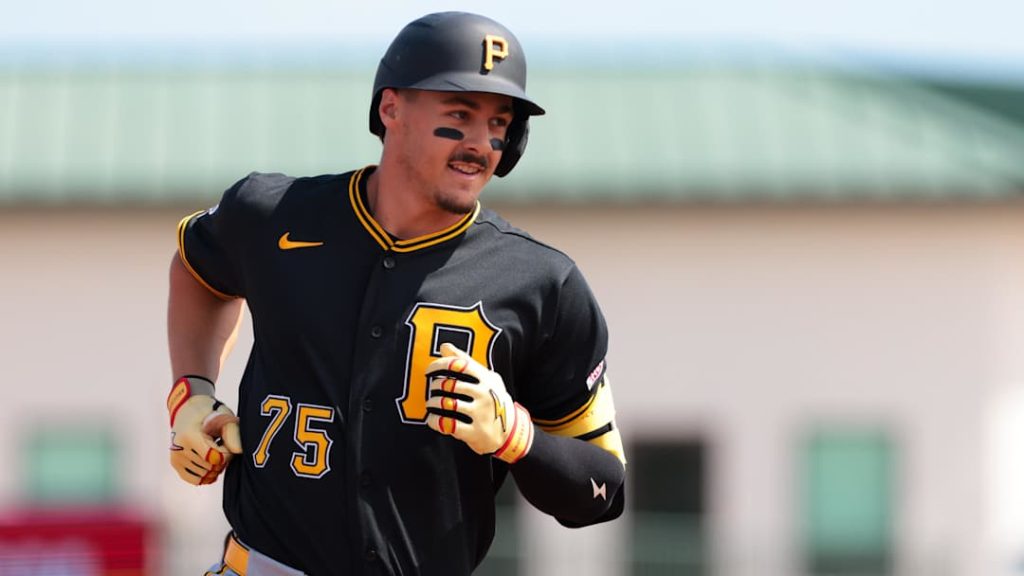

In an era where top prospects are fast-tracked, overhyped, and sometimes rushed before they’re truly ready, the Pittsburgh Pirates appear to have taken a refreshingly disciplined and strategic approach with Konnor Griffin. His promotion to Major League Baseball wasn’t just a milestone moment—it was the culmination of a carefully executed development plan that balanced performance, timing, and long-term organizational goals.
Here’s why the Pirates got it exactly right.
1. Development Over Hype
Griffin entered professional baseball with enormous expectations. A highly touted prospect with elite athleticism and a well-rounded skill set, he easily could have been pushed aggressively through the minors to capitalize on excitement and fan interest.
Instead, the Pirates emphasized development over speed.
They allowed Griffin to:
– Adjust to higher levels of pitching gradually
– Refine his plate discipline
– Build defensive consistency
By resisting the temptation to rush him, Pittsburgh ensured that when Griffin finally arrived, he wasn’t just talented—he was prepared.
2. Performance Dictated the Timeline
One of the clearest signs of a well-managed promotion is when a player forces the organization’s hand. That’s exactly what Griffin did.
Rather than promoting him based on projections or external pressure, the Pirates waited until:
– His offensive production stabilized
– His strikeout-to-walk ratio improved
– He demonstrated adaptability against advanced pitching
This merit-based progression sends a strong message throughout the organization: performance earns opportunity.
3. Service Time and Strategic Timing
While player development was the primary factor, the Pirates also showed an understanding of roster economics.
By timing Griffin’s promotion carefully, they likely:
– Preserved additional years of team control
– Avoided unnecessary Super Two arbitration implications
– Positioned him to contribute meaningfully during a competitive window
This isn’t manipulation—it’s smart roster management that aligns the player’s peak years with the team’s ambitions.
4. Confidence Built, Not Assumed
Young players often struggle not because of talent, but because of confidence. The Pirates ensured Griffin arrived in the majors with momentum.
At each level, he:
– Experienced success
– Made adjustments
– Proved he belonged
That track record matters. Instead of stepping into MLB trying to “figure it out,” Griffin enters knowing he can compete.
5. Organizational Stability and Messaging
The Pirates’ handling of Griffin also reflects a broader cultural shift—one that prioritizes patience, clarity, and consistency.
By sticking to their plan, they:
– Avoided reactionary decisions
– Maintained credibility with players and fans
– Reinforced a sustainable development model
This kind of stability is crucial for small- to mid-market teams looking to build long-term success.
6. Maximizing Impact at Arrival
Perhaps most importantly, Griffin’s promotion wasn’t just about getting him to the majors—it was about making sure he could impact the team once he got there.
Because of their approach:
– He arrives as a contributor, not a project
– The team can trust him in meaningful situations
– Fans see immediate value rather than growing pains
That distinction can define how a young player’s career begins—and how it’s perceived.
Final Thoughts
The Pirates didn’t just promote Konnor Griffin—they positioned him to succeed.
In a league where timelines are often dictated by urgency or external pressure, Pittsburgh’s methodical approach stands out. They trusted the process, prioritized development, and aligned their decision with both the player’s readiness and the organization’s future.
If Griffin lives up to his potential, this promotion won’t just be remembered as a milestone—it will be seen as a blueprint.